Libraries
The modern university library is defined by what it makes possible.
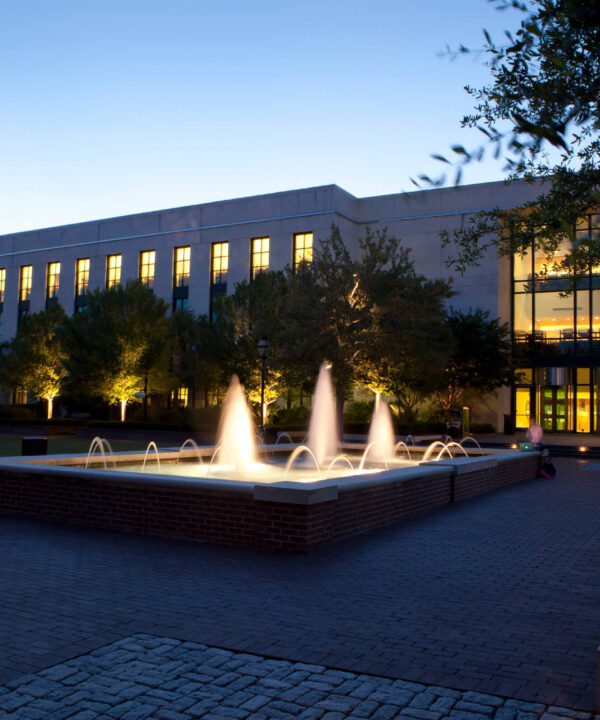
The modern university library is not defined by what it stores; it is defined by what it makes possible. At the College of Charleston, the Libraries prepare future-ready graduates, preserve the stories that shape our region and expand knowledge for communities around the world. Continued investment ensures the Libraries remain a driving force behind student success, scholarship and community engagement.
PREPARING FUTURE-READY GRADUATES
Tomorrow’s workforce will demand critical thinking, communication, information literacy and the responsible use of emerging technologies. Through research, digital scholarship, media creation, archival projects and experiential learning opportunities, the Libraries help students build the skills employers value most. These experiences prepare graduates to lead, adapt and contribute in a rapidly changing world.
PRESERVING OUR COLLECTIVE MEMORY
The Avery Research Center for African American History and Culture, Special Collections, Addlestone Library and the Lowcountry Digital Library preserve stories that matter far beyond Charleston. Through digitization, archival stewardship and public scholarship, the Libraries ensure historically significant collections remain accessible to students, researchers, educators and future generations.
EXPANDING KNOWLEDGE FOR THE WORLD
The digital age has transformed the reach of a university library. Through digitization, open access initiatives and digital scholarship, collections once accessible only on campus now inform researchers, educators and learners across the globe. The Libraries serve as a bridge connecting the College, Charleston and the world through the exchange of knowledge and ideas.
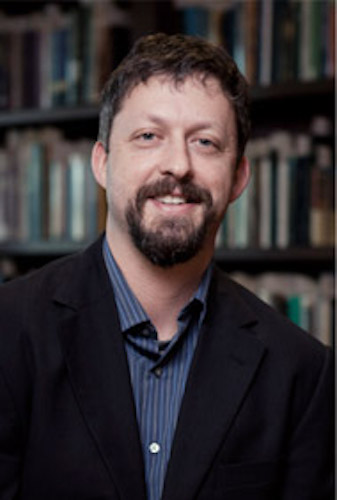
Dean, College Libraries
“The Libraries sit at the intersection of student success, scholarship, community engagement and cultural preservation. In a world transformed by technology and unlimited access to information, our responsibility is not simply to provide knowledge, but to help people create meaning from it.”